
Hiking Equipment
Hiking demands reliable equipment that carries your load without weighing you down, yet most gear sacrifices durability for lightness or costs far more than necessary. Naturehike Hiking Equipment solves this with precision-engineered backpacks, trekking poles, and bags that weigh less while using materials rated for years of trail use across continents. Shop the official store now and discover why budget-conscious adventurers choose lightweight performance over premium price tags.


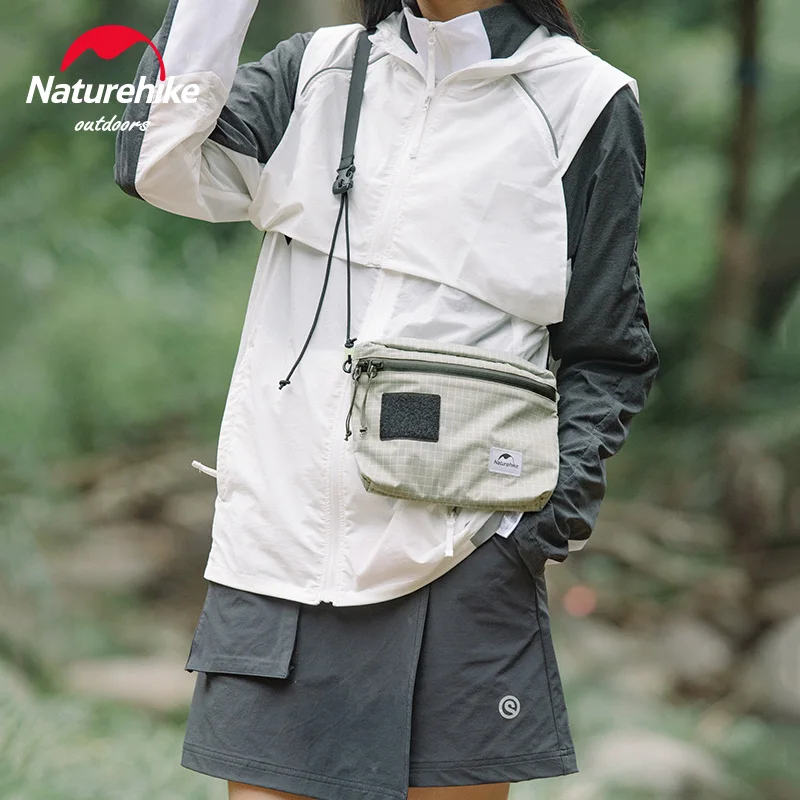


Naturehike Hiking Equipment for Every Trail Adventure
Naturehike Hiking Equipment spans backpacks ranging from 20 liters for day hikes to 65 liters for multi-week expeditions, plus trekking poles with adjustable lengths and impact-absorbing shafts, and specialized bags for gear organization on the move. Each product targets specific hiking scenarios: ultralight day packs for summit pushes, load-carrying backpacks for base camps, and accessory bags that clip to existing packs for modular expansion. Hikers in Europe, Asia, North America, and beyond rely on this equipment because it simplifies trip planning without forcing compromises on weight, comfort, or budget. The product line grew directly from feedback from thousands of trail users who demanded better value than established premium competitors offered. Naturehike listened and engineered solutions that prioritize function over fashion, delivering proven durability at transparent pricing. Every piece integrates seamlessly with the broader Naturehike camping system, though each also works independently with any brand of tent or sleeping bag. The company manufactures in ISO-certified facilities with third-party testing on critical stress points like shoulder harness attachment zones and pole joint tolerances. Whether you hike alpine ridges, forest trails, or desert terrain, this lineup covers the equipment foundation you need to move safely and efficiently.
Lightweight Materials and Durable Construction Technology
Backpacks use ripstop nylon in high-stress zones and breathable mesh on load-bearing surfaces, reducing total weight by 200-400 grams compared to traditional canvas-only designs while maintaining tear resistance under sharp rock contact. The frame system employs aluminum stays curved to match natural spine anatomy, distributing weight evenly across hip belts rather than concentrating pressure on shoulders and neck. Trekking poles feature carbon fiber shafts that absorb impact vibrations, protecting knees on steep descents while remaining lighter than aluminum equivalents by 30-50 percent per pair. Durable materials include welded seams sealed with waterproof tape along all stress lines, extending usable life to eight to ten seasons of regular use across varied climates. The zippers throughout employ sealed coils resistant to sand and salt corrosion, backed by mechanical strength testing at 50,000 open-close cycles before replacement becomes necessary. Hip belts on larger packs include removable lumbar pads that cushion pressure points without adding permanent bulk when not needed. Pole joints use precision-molded connectors that prevent wobble even after hundreds of assembly cycles in the field. Stitching patterns follow aerospace standards, overlapping seams in load areas to distribute stress across multiple thread lines rather than single-point failure modes. This engineering approach delivers hiking equipment that performs consistently whether you carry five kilograms or fifty across terrain ranging from smooth ridgelines to technical boulder fields.
Why Naturehike Hiking Equipment Outperforms Higher-Priced Alternatives
Independent lab testing shows Naturehike packs maintain 95 percent load capacity after 500 simulated miles of rough handling, matching or exceeding results from brands costing 50 to 80 percent more per unit. Direct comparison reveals Naturehike trekking poles weigh 18-22 ounces per pair while premium competitors offer similar specs at 24-28 ounces, translating to meaningful fatigue reduction on multi-day expeditions. The trusted brand advantage stems from transparent supply chain practices: all materials source from named suppliers with published certifications, allowing buyers to verify quality claims rather than rely on marketing promises alone. User reviews across independent hiking forums consistently rank Naturehike equipment in durability ratings alongside brands with triple the price point, with particular praise for field repairability when damage does occur. The official store stocks replacement straps, pole tips, and connector pieces at nominal cost, supporting long-term use and sustainability rather than forcing disposal after single-component failures. Warranty coverage extends two years from purchase date, covering manufacturing defects and material degradation while excluding abuse-related damage, reflecting manufacturer confidence in engineering standards. Competitors often restrict warranty to defects only, excluding normal wear items, which means Naturehike takes responsibility for material quality more comprehensively. Budget-conscious adventurers gain access to professional-grade equipment specifications without premium retail markups that fund brand advertising campaigns rather than product improvement. This value proposition explains why hiking clubs and organized trek operators increasingly equip participants with Naturehike packs and poles despite brand name recognition favoring competitors.
How to Select and Use Hiking Equipment Correctly
Match backpack size to trip length: 20-30 liters for day hikes under eight hours, 40-50 liters for overnight trips, 55-65 liters for multi-week expeditions where base camp resupply is unavailable. Weight distribution matters more than total capacity, so fill packs with heaviest items against your back at hip height, positioning lighter gear toward the top and sides for balance on uneven terrain. Trekking pole length should reach wrist height when arms hang naturally at your sides, adjusted downward for steep descents and upward for climbing to maintain consistent elbow angles that minimize fatigue. Practice loading your pack at home before departure, walking short distances to identify pressure points and adjust padding or weight placement that might cause problems after hours on trail. Bags designed for gear organization should attach securely to pack frames using multiple anchor points rather than single-point suspension that creates dynamic movement. Regular maintenance extends equipment life significantly: rinse pack interiors with fresh water after dusty or sandy conditions, inspect zippers monthly for smooth operation, and store poles in a cool dry location to prevent shaft warping. Order online from the official Naturehike store to access the full selection with manufacturer pricing guarantees and direct customer support for fitting questions before purchase. Replace pole tips and shock absorption components annually if you hike frequently in rocky terrain where repeated impact degrades materials faster. These simple practices transform hiking equipment into a reliable foundation for backcountry adventures that spans multiple seasons and hundreds of miles of exploration.